Avoid hidden rubbish removal charges in Kentish Town
Posted on 10/06/2026
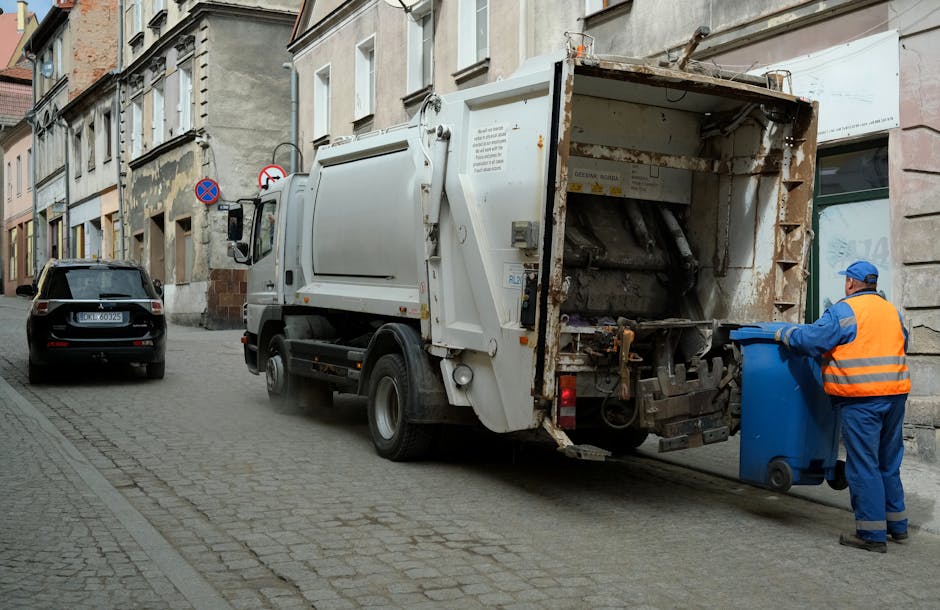
If you have ever booked a waste collection and then watched the price creep up at the door, you will know the feeling: annoying, rushed, and oddly hard to challenge in the moment. That is exactly why learning how to avoid hidden rubbish removal charges in Kentish Town matters. Whether you are clearing a flat near the station, tackling builders' waste, or sorting out a garden tidy-up after a damp weekend, the difference between a fair quote and a messy one often comes down to the details.
This guide explains how pricing should work, where surprise charges usually appear, and what to check before anyone loads a single bag. It is written for real people, not theory. You will get practical steps, a comparison table, a realistic example, and a checklist you can actually use. To be fair, rubbish removal is one of those services that sounds simple until you are stood in the hallway asking why the bill changed. Let's stop that happening.
Why Avoid hidden rubbish removal charges in Kentish Town Matters
Hidden charges are more than a nuisance. They distort the whole decision-making process. A quote can look affordable at first glance, yet become expensive once the crew arrives and starts adding for stairs, weight, access delays, or "special handling". In a busy area like Kentish Town, where homes vary from compact conversions to larger family properties and older terrace layouts, these extras can appear faster than people expect.
That matters because most customers are not comparing rubbish clearance services every week. You are usually booking under time pressure: a tenancy end, a renovation deadline, a commercial clear-out, or a bulky pile that has taken over the garden. When you are already dealing with stress, a vague estimate can feel fine-until it is not.
There is also the trust issue. Transparent pricing is usually a sign of better systems overall. Companies that explain what is included, what may change the price, and what cannot be removed under standard terms tend to be easier to deal with all round. If you want to understand the wider service structure first, the services overview is a useful place to see how different clearance jobs are typically grouped.
And there is a practical angle too. Clear pricing helps you choose the right service for the right job. For example, a straightforward household clear-out is a different beast from builders' waste disposal in Kentish Town, where rubble, plasterboard, timber, and site access can affect the final cost. Mixing those jobs together in your head is where trouble starts.
Key takeaway: the best way to avoid hidden rubbish removal charges is not to chase the cheapest headline price. It is to compare what the quote actually includes, how the collection is assessed, and which extras could be triggered on the day.
How Avoid hidden rubbish removal charges in Kentish Town Works
At a basic level, rubbish removal pricing should follow a simple logic: the company assesses the job, explains what is included, and gives you a quote that reflects the likely load, labour, and access conditions. The problem is that different businesses package this differently. Some quote by volume, some by load size, some by labour time, and some by a blend of all three.
In practice, hidden charges often appear when the quote was based on incomplete information. Maybe the customer forgot to mention the cellar steps. Maybe the waste is heavier than it looked. Maybe the van cannot park as close as expected. Maybe the team arrives and finds mixed waste requiring more sorting. None of that is unusual, but it should be discussed before booking, not sprung on you at the kerb.
In Kentish Town, access is often a real factor. A property on a narrower road, a basement flat, or a building with awkward carrying distance can change the workload. If your collection is close to a station, main road, or event-heavy area, timing can matter too. A practical local read on this is the bulky rubbish pickup access and timing guide, which helps explain why access is not just a minor detail.
Good pricing should feel like this:
- the provider asks specific questions before quoting
- the quote clearly states what waste is covered
- common extras are explained in plain English
- you know what would trigger a price change
- the final amount is confirmed before work starts
If that process feels fuzzy, it usually means you need a better quote, not a faster yes.
Key Benefits and Practical Advantages
The obvious benefit is saving money. But there is more to it than that. Transparent rubbish removal pricing helps you plan your day, protect your budget, and avoid awkward conversations when the job is half finished and everyone is looking at the same pile of old furniture.
Here are the practical upsides:
- Less budget shock: you know the likely cost before collection day.
- Faster decisions: you can compare providers on the same basis.
- Better timing: you are less likely to be delayed by last-minute pricing disputes.
- Cleaner job matching: the right service is chosen for the type of waste.
- Improved trust: clear terms usually mean fewer surprises everywhere else.
There is also a quieter benefit: peace of mind. That sounds a bit soft, maybe, but it is real. When you know the quote is sound, you stop second-guessing every small detail. You can focus on getting the flat cleared, the office reset, or the garden back into shape.
For landlords, sellers, and anyone preparing a property, this matters even more. A tidy, predictable clearance process can support a smoother handover, which is why people often pair waste removal with local property planning guides such as buying homes in Kentish Town or the broader real estate guide for Kentish Town when they are working through a move or refurbishment.
Who This Is For and When It Makes Sense
This advice is useful for almost anyone booking local clearance, but it is especially relevant if your job has a few moving parts. That includes stairs, tight access, mixed materials, or a collection window that needs to be exact. If your waste is simple and small, the risk of hidden costs is lower. The more complex the job, the more important your questions become.
You will want to pay close attention if you are:
- clearing a house, flat, or loft
- removing garden waste after a big tidy-up
- disposing of office furniture or archive material
- booking waste removal after building work
- sorting bulky items that are hard to move safely
- trying to work within a tight deadline or tenancy end date
People moving out of older Kentish Town properties often run into access quirks. That might be a shared staircase, a basement entrance, or parking that is more of a hope than a certainty. If you are dealing with a domestic clear-out, the dedicated house clearance service can be a better fit than a generic rubbish job. The same logic applies to workspaces, where office clearance in Kentish Town may be more suitable than a standard waste collection.
And yes, if it is just a few bags from the shed, you probably do not need to overthink it. But if the job includes sofas, mattresses, plasterboard, mixed rubble, or several trips from inside the property, a proper quote becomes non-negotiable.
Step-by-Step Guidance
Here is the simplest way to avoid hidden rubbish removal charges in Kentish Town without turning the whole thing into a spreadsheet project. You do not need to be obsessive. You just need to ask the right questions in the right order.
- List everything that needs to go.
Walk through the property slowly. Include items in cupboards, loft spaces, balconies, sheds, and cellars. A missed chair can become a price issue later. - Separate waste into rough categories.
Household junk, garden waste, builders' waste, office furniture, and electrical items may be priced differently. Mixing them together in your head only creates confusion. - Share access details early.
Tell the provider about stairs, loading restrictions, parking challenges, long carrying distances, or lifts that may not be suitable for heavy items. - Ask what the quote includes.
Check whether labour, loading, disposal, congestion, and minimum charges are already covered. If the answer feels vague, ask again. - Clarify the trigger points for extra costs.
Find out what happens if the load is heavier, the access is harder, or the waste changes on arrival. The important bit is not the existence of extras; it is whether they are explained up front. - Get the confirmation in writing if possible.
A short written summary reduces memory errors. People forget spoken details all the time. It is human, and slightly inconvenient. - Check the final price before loading starts.
If the team finds the job different from what was described, pause and agree the revised price first. Not after. Before.
A tiny real-world moment here: many disputes start when someone says, "It should be about the same, right?" That sentence is doing a lot of work. Better to replace it with a clear number and a clear reason. Much safer.
Expert Tips for Better Results
If you want to be more confident than the average customer, a few habits make a big difference. They are not complicated, just disciplined. Truth be told, this is where a lot of people save money without realising it.
1. Be precise about volume and weight
Waste volume is often easier to estimate than weight, but both matter. A light stack of cardboard is not the same as a pile of wet soil or broken tiles. If you are clearing a garden or renovation area, mention what is heavy, damp, or dense. It sounds obvious, yet people forget.
2. Mention awkward access before the quote is issued
Basement flats, top-floor walk-ups, narrow stairwells, and long driveways can all affect labour time. A provider cannot price properly if they do not know the route from waste pile to vehicle. In Kentish Town, those small access differences can be the whole game.
3. Ask about restricted items
Some items require special handling or cannot be taken under a standard clearance. If you have paint, fridges, hazardous materials, or electricals, ask early. It is far better to hear "that needs separate handling" before collection than after the van arrives.
4. Choose the right service for the job
A garden cut-back is not the same as a full property clear-out. A one-off office tidy-up is not the same as regular commercial waste. Matching the job to the right service reduces pricing noise. For example, if the main issue is outside clutter, a focused garden waste removal option may be cleaner and more cost-effective than a broader service.
5. Build in a buffer for same-day decisions
If you are sorting through a property and not everything is finalised, let the provider know. A tiny buffer in the quote conversation can prevent drama later. It is a lot easier to say, "We may add two chairs" than to negotiate while holding a chair in one hand and a trolley in the other.
One more thing: if a company is proud of transparent pricing, they should be able to explain it in plain language. No jargon. No fog. Just an honest breakdown.
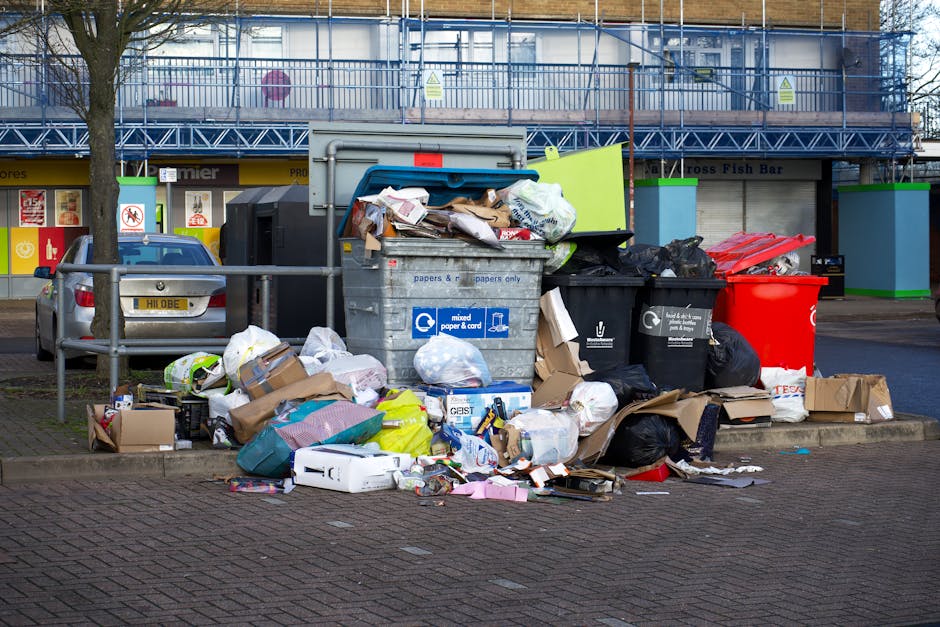
Common Mistakes to Avoid
Most hidden charge problems come from a small set of mistakes. Once you know them, they are easy enough to sidestep. Here are the big ones.
- Accepting a vague quote: if the price is given without questions, be careful.
- Forgetting access details: stairs, parking, and distance matter more than people expect.
- Not identifying all the waste: the "extra bit in the corner" can become the expensive bit.
- Assuming all waste is priced the same: mixed loads are often more complex.
- Skipping the terms and conditions: dull, yes. Useful, definitely.
- Waiting until collection day to mention changes: last-minute adjustments usually cost more.
Another common one is comparing only the headline price. That is tempting, of course. Everyone likes a neat number. But the cheapest number can be the most expensive decision if it excludes labour, disposal, or access conditions. You do not want a bargain that evaporates at the front door.
If you are unsure what kind of service fits your situation, browsing the site's main rubbish clearance Kentish Town and waste removal Kentish Town pages can help you separate everyday clearance from more specific jobs.
Tools, Resources and Recommendations
You do not need specialist software to avoid hidden charges. A few simple tools and habits are enough.
- Phone photos: take pictures of the waste from a few angles before asking for a quote.
- Basic measurements: a rough tape measure read of the largest items helps more than guesswork.
- Room-by-room notes: jot down what is going, especially in lofts, sheds, and garages.
- Clear access notes: mention floor level, parking, and whether a lift is available.
- Payment checks: confirm how payment is handled and when it is due by looking at the provider's payment and security information.
It also helps to read the company's policies, even if you only skim. The sections on terms and conditions and privacy policy can reveal how they handle bookings, cancellations, and personal data. That is not glamorous, admittedly, but it tells you a lot about how the business operates.
If sustainability matters to you, ask how waste is sorted and where recyclable material goes. A responsible provider should be able to explain this sensibly. You can also read more about the company's approach on recycling and sustainability, which is a good signal if you care about responsible disposal rather than just fast removal.
For background and credibility, the about us page can also help you understand who is behind the service. That reassurance matters more than people admit.
Law, Compliance, Standards, or Best Practice
When rubbish removal involves loading, transport, disposal, and potentially different waste streams, you want the provider to follow sensible UK waste-handling norms. You do not need to become an expert yourself, but you should expect lawful disposal, appropriate insurance, and honest descriptions of what is included.
In practical terms, best practice usually means:
- waste is described accurately before collection
- special items are flagged in advance
- the provider is clear about what they can and cannot take
- pricing changes are explained before work proceeds
- items are handled safely for staff, residents, and the property
If a job involves heavier materials or site-like conditions, safety becomes even more important. The company's insurance and safety information should be easy to understand. That is especially relevant for awkward lofts, tight staircases, or anything with lifting risk. You are not being fussy by asking. You are being sensible.
For event-related waste, access and timing can be more complicated, especially around busy local schedules or venue turnover. If that is your situation, a local read on Kentish Town event venues may give useful context, and the article on forum waste collection for Kentish Town events shows why timing and coordination can matter so much.
For builders' debris, do not assume a general clearance quote is enough. Construction waste often needs its own scope. If your job is renovation-based, keep an eye on the dedicated builders' waste disposal page, because that kind of work can involve different expectations altogether.
Options, Methods, or Comparison Table
There are a few common ways rubbish removal gets priced. None is perfect in every scenario, but some are more transparent than others depending on the job.
| Pricing method | How it works | Best for | Watch out for |
|---|---|---|---|
| Load-based pricing | You pay according to how much space the waste takes in the vehicle | Mixed household clearances, bulky items | Can shift if the load is estimated badly |
| Labour-plus-load pricing | The quote considers loading time and vehicle space | Access-heavy jobs, flats, larger clear-outs | Extra labour charges may be unclear if not explained |
| Itemised pricing | Different items or waste types are priced separately | Careful comparisons, offices, specialist waste | Can become complicated if many items are involved |
| Fixed quote | A set amount is agreed before collection | Defined jobs with clear details | Only reliable if the scope was described properly |
For most customers, a fixed or clearly explained quote is easiest to manage. That said, it only works well when you have described the job accurately. If not, the quote is fixed in name only. And that is where the fine print starts to bite.
Case Study or Real-World Example
A typical Kentish Town scenario goes like this. A resident is clearing a two-bedroom flat after a move. The job looks straightforward: a sofa, a mattress, a table, several bags, and a broken shelving unit. The first quote sounds reasonable. But the property is on an upper floor, the lift is small, and the van cannot stop directly outside because of road conditions. Suddenly the "simple" job has more carrying time than expected.
Now compare two outcomes. In the first, the resident mentioned none of those details. The team arrives, reassesses, and the price changes. Not a huge disaster, but frustrating and avoidable. In the second, the resident sends photos, explains the stairs, and flags parking in advance. The quote is a touch higher at first, yet it is accurate. No drama. No awkward pause in the hallway. Everyone gets on with it.
This is the whole point, really. A fair price can still be a fair price even if it is not the lowest number on the screen. If it matches the actual job, it saves time, reduces stress, and usually feels better by the end of the day. A small thing, maybe. But if you have ever tried to clear a flat while boxes are everywhere and the kettle is still in a bag somewhere, you will know how much that matters.

Practical Checklist
Use this before you confirm any rubbish removal booking in Kentish Town:
- Have I listed everything that needs removing?
- Have I separated household, garden, office, and builders' waste?
- Have I described stairs, parking, and access clearly?
- Have I sent photos or enough detail for an honest quote?
- Do I understand what the quoted price includes?
- Have I asked what could increase the price?
- Have I checked whether any items need special handling?
- Have I read the key terms, payment notes, and cancellation conditions?
- Do I know how the waste will be handled or recycled?
- Have I confirmed the final amount before collection begins?
One-line reality check: if the quote feels too easy, it may be missing something.
Conclusion
The safest way to avoid hidden rubbish removal charges in Kentish Town is to treat the quote as a conversation, not a guess. Be specific about the waste, honest about the access, and clear on what you expect to be included. That alone prevents a surprising number of issues.
It does not need to be a stressful process. A good provider should welcome good questions and explain their pricing without fuss. When you get that level of clarity, the whole job becomes easier: cleaner, quicker, and far less irritating. And frankly, that is what most people want. Just a fair price and a clear path forward.
If you are ready to compare options, take a calm look at the job details, gather a few photos, and choose the service that fits the waste rather than the one with the flashiest headline. That is how you stay in control.
Get a free quote today and see how much you can save.
And if all you manage today is getting the first bag out of the hallway, that is still progress. Proper little progress counts.

From a young age, Blair has cultivated a passion for order, which has now matured into a prosperous profession as a waste removal specialist. She derives satisfaction from transforming disorderly spaces into practical ones, aiding clients in conquering the burden of clutter.
 Tipper Van - Junk Disposal and Rubbish Clearance Prices in Kentish Town, NW5
 Luton Van - Junk Disposal and Rubbish Clearance Prices in Kentish Town, NW5